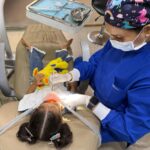
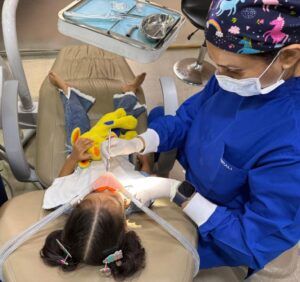
 We understand that some children may feel anxious about dental procedures. Conscious sedation is a safe and effective way to help your child relax and feel comfortable during their visit. This technique uses a gentle medication, often administered orally or nasally, to help your child become drowsy and calm, while remaining awake and able to respond.
Why we use Conscious Sedation:
⦁ Reduces Anxiety: Helps children with dental phobia or special needs feel at ease.
⦁ Increases Comfort: Minimizes discomfort during longer or more complex procedures.
⦁ Ensures Safety: Allows our dental team to work efficiently and safely, reducing the risk of accidental movement.
Our team is extensively trained in administering and monitoring conscious sedation, prioritizing your child’s safety and well-being at all times.
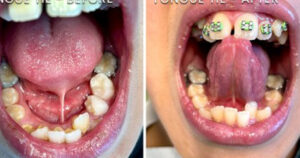
A tongue-tie is a condition present at birth where a short or tight band of tissue (frenulum) tethers the bottom of the tongue to the floor of the mouth. This can restrict the tongue’s movement and may impact a child’s ability to eat, speak or swallow.
Our Approach:
⦁ Comprehensive Evaluation: We carefully assess your child’s oral anatomy and function to determine if a tongue-tie is affecting their development.
⦁ Frenectomy Procedure: If necessary, we perform a simple and quick procedure called a frenectomy to release the frenulum, allowing for improved tongue mobility.
⦁ Collaboration with Specialists: We work closely with lactation consultants and speech therapists to provide a holistic treatment plan. Our partnership with speech therapists ensures that your child receives the necessary exercises and guidance to develop proper speech patterns post-procedure.
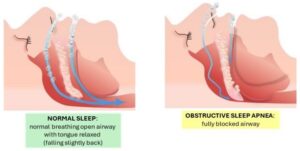
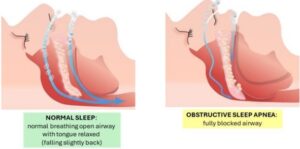
When kids don’t breathe well during sleep, their brains and bodies don’t get enough oxygen. Snoring or restless sleep in children can be more than just a passing phase. These can be indicators of a pediatric sleep breathing disorder, such as pediatric obstructive sleep apnea (POSA). Such conditions can affect a child’s growth, development, and overall health.
What signs to look for:
⦁ Tiredness during the day, even after a full night’s sleep
⦁ Trouble paying attention or learning at school
⦁ Moody or cranky behavior
⦁ Headaches
⦁ In some cases, problems with the heart or growth
⦁ Loud snoring
⦁ Pauses in breathing during sleep
⦁ Restless sleep or frequent waking.
Our Role in Diagnosis and Treatment:
⦁ Initial Screening: During routine check-ups, we can screen for signs and symptoms of sleep breathing disorders.
⦁ Referral to Specialists: We collaborate with pediatricians and sleep specialists to ensure a proper diagnosis.
⦁ Orthodontic Solutions: In some cases, dental appliances or orthodontic treatments can help expand the jaw or palate, improving the airway and breathing.
Our goal is to identify potential issues early and work with other healthcare professionals to develop a plan that promotes healthy sleep for your child.
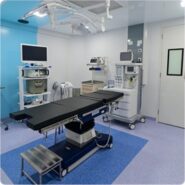
Reasons forHospital Dentistry:
⦁ Extensive Treatment: Ideal for children with multiple cavities or complex restorative needs that would be too long for a single office visit.
⦁ Special Needs: Provides a safe and controlled environment for children with medical conditions, developmental disabilities, or severe anxiety.
⦁ Maximum Safety: The presence of an anesthesiologist and the hospital’s resources ensures the highest level of safety and monitoring throughout the procedure.
We work with parents to determine if hospital dentistry is the best and safest option for their child’s unique situation.
We understand that some children may feelanxious
about dental procedures. Conscious sedation is a safe and effective way to help your child relax and feel comfortable during their visit. This technique uses a gentle medication, often administered orally or nasally, to help your child become drowsy and calm, while remaining awake and able to respond.
Why we use Conscious Sedation:
⦁ Reduces Anxiety: Helps children with dental phobia or special needs feel at ease.
⦁ Increases Comfort: Minimizes discomfort during longer or more complex procedures.
⦁ Ensures Safety: Allows our dental team to work efficiently and safely, reducing the risk of accidental movement.
Our team is extensively trained in administering and monitoring conscious sedation, prioritizing your child’s safety and well-being at all times.
⦁ Comprehensive Evaluation: We carefully assess your child’s oral anatomy and function to determine if a tongue-tie is affecting their development.
⦁ Frenectomy Procedure: If necessary, we perform a simple and quick procedure called a frenectomy to release the frenulum, allowing for improved tongue mobility.
⦁ Collaboration with Specialists: We work closely with lactation consultants and speech therapists to provide a holistic treatment plan. Our partnership with speech therapists ensures that your child receives the necessary exercises and guidance to develop proper speech patterns post-procedure.
When kids don’t breathe well during sleep, their brains and bodies don’t get enough oxygen. Snoring or restless sleep in children can be more than just a passing phase. These can be indicators of a pediatric sleep breathing disorder, such as pediatric obstructive sleep apnea (POSA). Such conditions can affect a child’s growth, development, and overall health.
What signs to look for:
⦁ Tiredness during the day, even after a full night’s sleep
⦁ Trouble paying attention or learning at school
⦁ Moody or cranky behavior
⦁ Headaches
⦁ In some cases, problems with the heart or growth
⦁ Loud snoring
⦁ Pauses in breathing during sleep
⦁ Restless sleep or frequent waking.
Our Role in Diagnosis and Treatment:
⦁ Initial Screening: During routine check-ups, we can screen for signs and symptoms of sleep breathing disorders.
⦁ Referral to Specialists: We collaborate with pediatricians and sleep specialists to ensure a proper diagnosis.
⦁ Orthodontic Solutions: In some cases, dental appliances or orthodontic treatments can help expand the jaw or palate, improving the airway and breathing.
Our goal is to identify potential issues early and work with other healthcare professionals to develop a plan that promotes healthy sleep for your child.
Reasons for Hospital Dentistry:
⦁ Extensive Treatment: Ideal for children with multiple cavities or complex restorative needs that would be too long for a single office visit.
⦁ Special Needs: Provides a safe and controlled environment for children with medical conditions, developmental disabilities, or severe anxiety.
⦁ Maximum Safety: The presence of an anesthesiologist and the hospital’s resources ensures the highest level of safety and monitoring throughout the procedure.
We work with parents to determine if hospital dentistry is the best and safest option for their child’s unique situation.